





When learning cricket, the first thing which comes to mind is how to score runs or take wickets. However, beginners often focus on the result before understanding the controls. The same problem appears in real cricket and a mobile cricket app. A batter who swings without reading the ball may lose balance, while a player who taps too quickly may select the wrong shot.
This is why the basics matter before entering competitive cricket games. New players must understand timing, direction and match situations instead of pressing every control without a plan.
Common Mistakes New Players Make When Learning Cricket Controls
Overlooking The Fundamentals
Have you ever tried an attacking shot without understanding how the batting controls work? Well, this is a common mistake. New players often attempt advanced strokes before learning simple shot selection and placement.
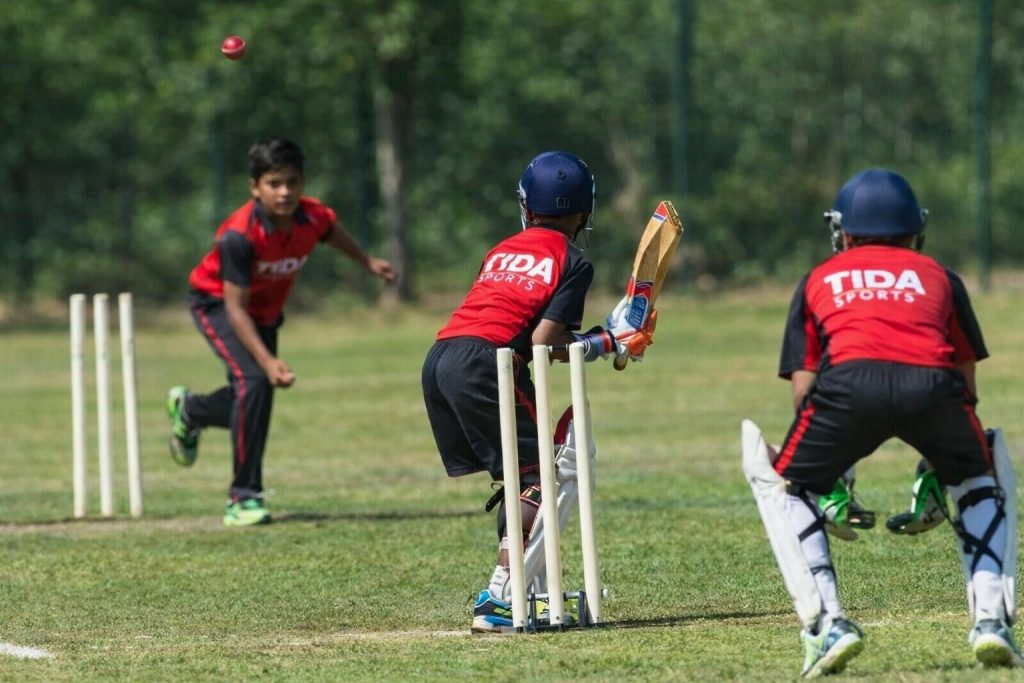
In cricket games, a stable grip and correct footwork assist budding players in playing a crisp and clean stroke. On a mobile screen, that foundation comes from understanding the control layout, timing window and shot map. Begin with controlled shots and observe how the ball responds.
Using the Same Shot for Every Delivery
Not every ball arrives at the same pace, length or angle. Hence, repeatedly selecting one shot will not yield consistent results. A faster ball may require an earlier response, while a slower delivery can cause the player to act too soon.
A good cricket app encourages players to observe the delivery before making a decision. Notice where the ball lands and choose a shot that suits the situation. This reflects real batting, where players adjust rather than following a single fixed movement.
Forgetting About Placement
Many beginners believe that power automatically produces a boundary. However, even a well-timed shot may travel directly towards a fielder. Placement is equally important.
The shot map in Real Cricket™, for instance, lets players select the area where they want to direct the ball. More than 500 shots, batting presets, manual fielding and competitive multiplayer options create an enhanced gaming experience fit to meet your expectations.
Rushing Into Difficult Game Formats
Beginners sometimes overestimate their skill level and enter demanding matches before becoming comfortable with the controls. Every cricket format requires a certain level of patience, skill and power to excel. Trying to play all three formats together results in repeated mistakes and frustration.
The better approach is to practise timing, shot direction and manual fielding before moving towards ranked competition. In real cricket, players build confidence through drills and smaller challenges. The same gradual method works in cricket games.
Ignoring Fielding And Match Awareness
Batting may receive most of the attention, but cricket is not only about scoring. Poor catching, inaccurate throws and weak field awareness can change a match.
Real Cricket™ includes manual pickups, catches, throws and direct-hit controls. These actions require attention and practice. Learning them shows players that every part of the match contributes to the result.
Final Overview
Learning cricket controls is not about tapping faster or selecting the most powerful option. It is about watching every delivery (right from the point of release), understanding the situation and responding with control.
Begin with the basics, practise each control separately and progress at a realistic pace. Once players develop patience, timing and placement, every match becomes more thoughtful, interactive and enjoyable.