







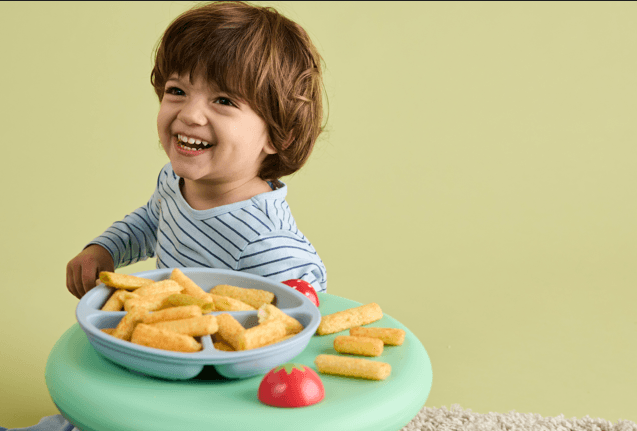
Small feeding moments quietly influence how infants understand touch, texture scent, and movement during growth phases. Early exposure supports learning without pressure while building trust. Gentle selections guide awareness through calm discovery. Balanced pacing reduces stress during the first feeding steps. The theme behind early Snack Options Supporting Baby Sensory Development During Feeding Milestones highlights gradual support rather than speed. Many routines place baby snacks midway through daily feeding times to help sensory systems adjust naturally while confidence develops.
Sensory Learning Starts with Calm Exposure
Gentle exposure helps infants process new sensations without overload. Soft interactions encourage curiosity through manageable input. Repeated calm moments strengthen awareness. Early learning improves adaptability during later stages.
Texture Variety Encouraging Mouth Awareness
Texture differences guide oral learning gently. Mild changes improve coordination without overwhelming responses.
- Soft surfaces allow the lips sense changes without fear during early feeding moments
- Gentle resistance supports tongue movement practice while keeping effort manageable
- Smooth finishes help infants focus on temperature perception gradually
- Slight thickness variation builds mouth awareness over time
- Balanced textures support early chewing readiness naturally
- Familiar feel reduces hesitation during repeated exposure
- Simple texture shifts improve acceptance rates
- Gradual introduction strengthens confidence steadily
Touch Interaction Supporting Sensory Growth
Touch supports learning alongside taste perception. Handling soft items improves grip control. Coordinated movement develops naturally. Sensory integration strengthens feeding progress.
How Do Early Snacks Support Sensory Development?
Early feeding choices shape how sensory systems respond. Gentle options allow focus without stress. Soft selections reduce overwhelming signals, allowing learning to occur calmly. Strong sensations can disrupt processing. Balanced exposure supports gradual adaptation. Over time, repeated calm interactions strengthen sensory pathways, which support smoother feeding milestone progress.
Timing Feeding Moments for Readiness
Timing influences how well infants respond to new sensations. Alert states improve engagement. Calm periods support focus. Predictable timing reduces confusion during learning.
Consistency Builds Sensory Confidence
Consistency helps infants understand expectations. Familiar patterns reduce uncertainty. Many caregivers use baby snacks consistently during routines. Repetition builds comfort across feeding stages.
Comparing Sensory Input Levels
Understanding input intensity helps guide decisions. Gentle progression supports better outcomes. Comparison aids planning.
| Sensory Input Level | Infant Response | Learning Outcome |
| Very mild | Calm acceptance | Initial awareness |
| Mild variation | Curious engagement | Skill growth |
| Moderate change | Cautious interest | Controlled learning |
| High intensity | Stress reaction | Resistance |
| Gradual steps | Confident response | Steady development |
The table shows how pacing affects sensory learning. Thoughtful choices support smoother progress.
Coordination Development Through Feeding
Feeding supports coordination between the mouth, hands, and vision. Balanced input improves integration. Calm routines strengthen motor planning. Coordination grows naturally through repetition.
Observation Guided Feeding Adjustments
Careful observation helps identify which textures feel manageable during each stage. Responses guide gradual changes without pressure. Calm monitoring supports timely adjustments. Gentle pacing maintains positive associations. This approach encourages steady progress while respecting individual readiness cues.
Safety Focus During Exploration
Safety remains central during early exploration. Gentle sizes reduce risk. Supervision supports learning. Calm environments improve attention.
Do Early Choices Affect Sensory Readiness?
- Appropriate choices influence readiness positively. Calm exposure supports progress.
- Gentle input reduces stress during feeding exploration
- Balanced sensations improve curiosity safely
- Predictable textures support acceptance
- Gradual change builds readiness
- Calm repetition strengthens processing
Can Sensory Practice Improve Long-Term Feeding?
Early practice shapes later confidence. Repetition supports retention.
- Early exposure builds strong foundations
- Gradual learning improves adaptability
- Familiar routines reduce resistance
- Calm habits encourage openness
- Balanced input supports retention
Gentle Progress Path
Lasting feeding confidence develops through patience rather than force. Balanced exposure supports awareness without pressure. Predictable routines strengthen trust. Gradual pacing guides progress. Over time, steady use of baby snacks within calm routines helps infants build sensory skills while moving confidently through feeding milestones.


