







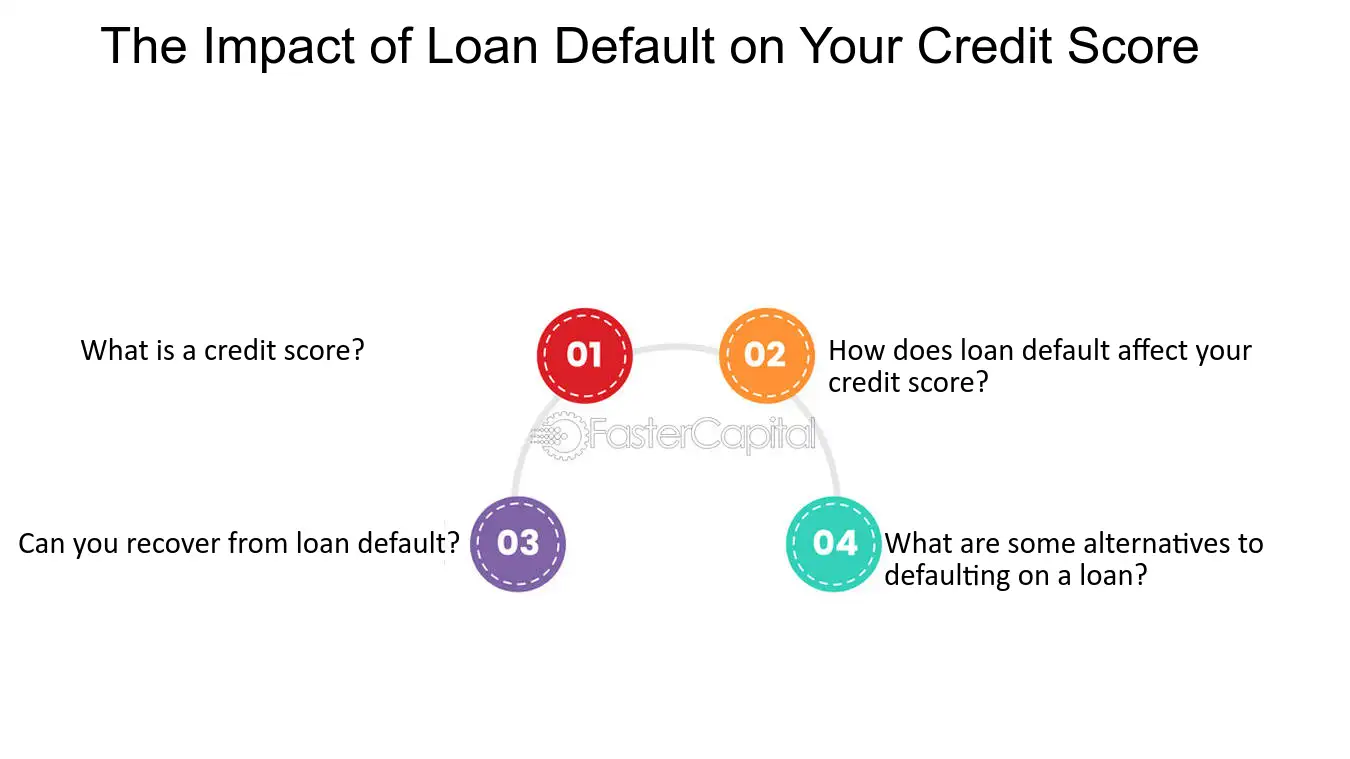
Defaulting on a loan or a credit card is an unfortunate event, and through that, one can get a negative report on the credit score, which can impact the person for several years. A person who defaults on a loan also incurs higher interest charges and penalties, which then impact the well-being of the person and can take them deep into the dark trench of financial ruin.
Proper planning and debt management can help one maintain their financial status, overcome the challenges of default, and protect themselves from future fines and penalties.
In this blog, we will look at some of the consequences a person can face when they are going through the loan default phase.
How a Loan Default Affects the Credit Score
A credit score is an important parameter for all people as it helps an individual to get loans and credits whenever they need an extra source of cash. A good credit score helps a person get a loan amount of a higher amount and thus helps the individual fulfill their needs and requirements with that leveraged amount.
When a person starts to default on their loans, the situation gets worrisome and can impact their financial well-being. First of all, a person incurs penalty charges, and through that, they can be impacted as their credit history is now being ruined due to several missed payments.
In some situations, a person who has missed the payments starts to delay the entire process, which raises the debt charges and stops the payment altogether. If one starts this practice through increasing debt, one will witness the negative consequences of a low credit score.
Types of Consequences a Person Can Face for Each Kind of Loan
There are a variety of loan products that are available online, and lending institutions now offer loans for a variety of purposes. Any default on a particular kind of loan can lead to severe consequences depending on the type of loan a person defaulted on.
- Mortgage Loan
When a person defaults on their mortgage loan, the bank goes for the foreclosure of the account. It usually happens when the bank or the lending institution takes over the property of the borrower to meet the obligations of the loan.
There is a certain time frame, which is 120 working days, and after that, the banks start to give notification for the account foreclosure, and for that, they then send ads so that the bank gets a buyer for that property.
In this phase, a person has the last chance to halt the foreclosure or try any alternative solution. It’s recommended that you hire an attorney who can help you find an option.
- Student Loan
A student loan brings trouble when there is a chance of default, as it can affect your income when the person can’t settle their student debt. An individual don’t get their tax return advantages, and their social benefits also get reduced when they can’t settle the payments of student debts.
Now, some private lenders can add several fees over that debt, and along with that, one can also get severely affected in their credit scores, which stops the person’s ability to raise further loans, which further puts a financial constraint on that person.
- Credit Card of Personal Loan
If a person defaults on their credit card or personal loans, then the banks put those accounts into an unsecured fund and sell it to the collection agency. The collection agency can then aggressively pursue the repayment and seek court hearings through which they can take a major portion of the salary for the repayment.
A DSA agent can guide a person before they pursue any loan and make them aware of the consequences of a default. An individual needs to understand the consequences of a default and go for these unsecured loans.
If a person defaults, then in that situation, one can face a poor credit score, which can then create a lot of problems as it takes a minimum of 7 years to get back to the old credit score. If the loan amount is not paid, the collection agency can lien a person’s house.
These are some of the pitfalls of not paying loans on time, and a person must take precautionary measures to pay the loans on time.


