







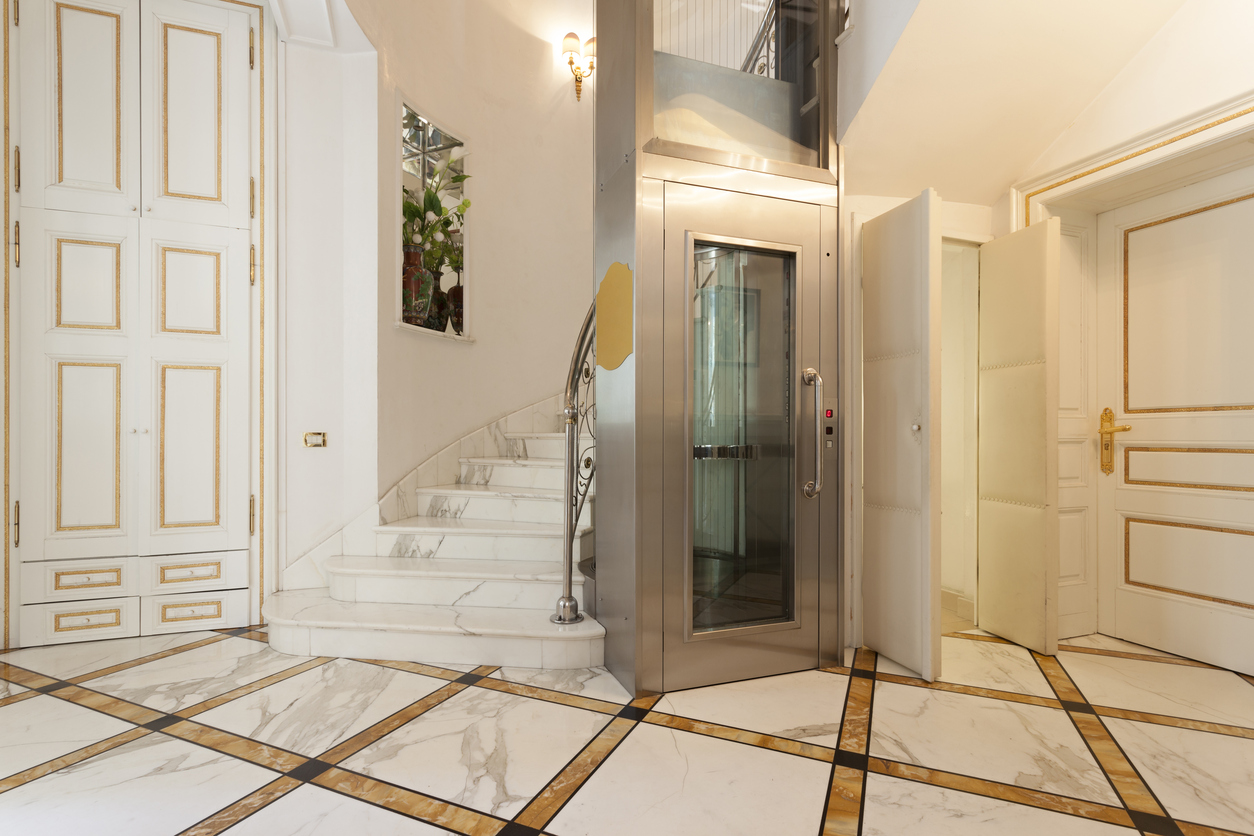
As Singapore’s population ages and multi-generational living becomes more common, the demand for home lifts has been on the rise. A home lift, also known as a residential elevator, is a compact vertical transportation system designed specifically for private residences. This article will explore the world of home lifts, their functionality, benefits for Singaporean homeowners, selection tips, and the various types available.
What is a Home Lift?
A home lift is a smaller version of a commercial elevator, tailored for residential use. It’s designed to move people between different floors of a house or apartment, providing an alternative to stairs. Home lifts come in various sizes and styles, ranging from simple platforms to luxurious cabin designs that can complement a home’s interior decor.
Unlike commercial elevators, home lifts are typically designed for lower traffic and slower speeds. They’re built to fit into the limited space available in most homes, often requiring minimal structural modifications to the building.
How Does a Home Lift Work?
Home lifts operate on several different mechanisms, but the basic principle remains the same:
- Drive System: This can be hydraulic, traction, or pneumatic, providing the power to move the lift.
- Lift Car: The enclosed space where passengers ride.
- Guide Rails: These ensure the smooth and straight movement of the lift car.
- Control System: Manages the lift’s operation, including floor selection and safety features.
- Safety Mechanisms: Include emergency brakes, door interlocks, and communication systems.
The operation is straightforward: Users enter the lift, select their desired floor, and the lift moves vertically to that level. Modern home lifts often incorporate advanced features like remote operation, energy-efficient drive systems, and smart home integration.
Benefits of Getting a Home Lift for Your Singapore House
Installing a home lift in a Singaporean residence offers numerous advantages:
- Enhanced Accessibility: Ideal for elderly family members, those with mobility issues, or families with young children.
- Increased Property Value: Home lifts are seen as a luxury feature, potentially increasing a property’s market value.
- Future-Proofing: As Singapore’s population ages, homes with lifts become more desirable.
- Space Efficiency: Compared to ramps or stairlifts, home lifts often require less space.
- Convenience: Makes moving heavy items between floors easier, from groceries to furniture.
- Safety: Reduces the risk of stair-related accidents, especially for older adults.
- Customization: Can be designed to match the home’s aesthetic, adding a touch of luxury.
- Energy Efficiency: Modern home lifts are designed to be energy-efficient, minimizing impact on electricity bills.
- Low Maintenance: Many models require minimal upkeep compared to commercial elevators.
- Noise Reduction: Home lifts are generally quieter than stairlifts or platform lifts.
- Adaptability: Can be installed in both new builds and existing homes with minimal disruption.
- Multi-Generational Living: Facilitates comfortable living arrangements for extended families.
- Resale Advantage: In Singapore’s competitive property market, a home lift can be a unique selling point.
Tips for Choosing the Right Home Lift for Your House
Selecting the appropriate home lift requires careful consideration:
- Space Assessment: Evaluate the available space in your home for the lift shaft and machine room (if required).
- Load Capacity: Determine the weight capacity needed based on typical usage.
- Travel Distance: Consider the number of floors the lift needs to serve.
- Design Integration: Choose a lift design that complements your home’s interior.
- Safety Features: Ensure the lift meets or exceeds local safety standards.
- Energy Efficiency: Look for models with energy-saving features to keep operating costs low.
- Noise Levels: Consider the quietness of operation, especially if the lift will be near bedrooms.
- Maintenance Requirements: Understand the ongoing maintenance needs and costs.
- Brand Reputation: Research lift manufacturers and their track record in Singapore.
- Customization Options: Look for lifts that offer personalization in terms of finishes and features.
- Future Needs: Consider potential future requirements, such as increased mobility needs.
- Installation Process: Understand the installation timeline and any structural changes required.
- Warranty and After-Sales Service: Check the warranty terms and availability of local service support.
- Budget: Balance your desired features with your budget constraints.
- Compliance: Ensure the lift complies with Singapore’s building codes and regulations.
Different Types of Home Lifts
Home lifts come in various types to suit different needs and house designs:
- Hydraulic Home Lifts:
– Use hydraulic fluid to power the lift
– Smooth and quiet operation
– Require a machine room for the hydraulic pump
- Traction Home Lifts:
– Operate using a counterweight system
– Energy-efficient and suitable for taller buildings
– Can be machine room-less (MRL) for space saving
- Pneumatic Vacuum Elevators:
– Use air pressure differentials to move the cab
– Require no pit or machine room
– Transparent design offers a unique aesthetic
- Platform Lifts:
– Simple design for shorter travel distances
– Often open-sided or partially enclosed
– Ideal for retrofitting in existing homes
- Through-Floor Lifts:
– Travel through a cut-out in the floor between levels
– Compact design suitable for smaller homes
– Can be hidden when not in use
- Cabin Lifts:
– Fully enclosed design similar to commercial elevators
– Offer the most customization options in terms of finishes
– Provide the highest level of comfort and luxury
- Stair-Climbing Lifts:
– Designed to travel along the staircase
– Minimal structural modifications required
– This kind of stair lift is suitable for homes where traditional lifts can’t be installed
- Hybrid Lifts:
– Combine features of different lift types
– Often blend the space efficiency of platform lifts with the comfort of cabin lifts
- Smart Home Integrated Lifts:
– Connect with home automation systems
– Offer features like voice control and smartphone operation
– Enhanced security features like biometric access
- Eco-Friendly Lifts:
– Designed with sustainability in mind
– Use energy-efficient motors and regenerative drive systems
– Often made with recyclable materials
- Luxury Designer Lifts:
– High-end models with premium finishes
– Often custom-designed to match specific home aesthetics
– May include features like built-in entertainment systems
- Compact Lifts:
– Designed for very small spaces
– Ideal for townhouses or apartments with limited room
– Often have folding doors to maximize space efficiency
In conclusion, home lifts are becoming an increasingly popular addition to Singaporean homes, offering a blend of practicality, comfort, and luxury. They provide an excellent solution for multi-generational families, enhance accessibility for those with mobility challenges, and can add significant value to a property. With a wide range of types and designs available, homeowners can find a lift that not only meets their functional needs but also complements their home’s aesthetic.
When considering a home lift, it’s crucial to carefully assess your specific requirements, consult with professionals, and choose a reputable supplier. Proper installation and regular maintenance are key to ensuring the lift’s longevity and safety. As Singapore continues to adapt to changing demographics and housing needs, home lifts are likely to become an even more common feature in residential properties, transforming the way we think about vertical mobility in our homes.


