

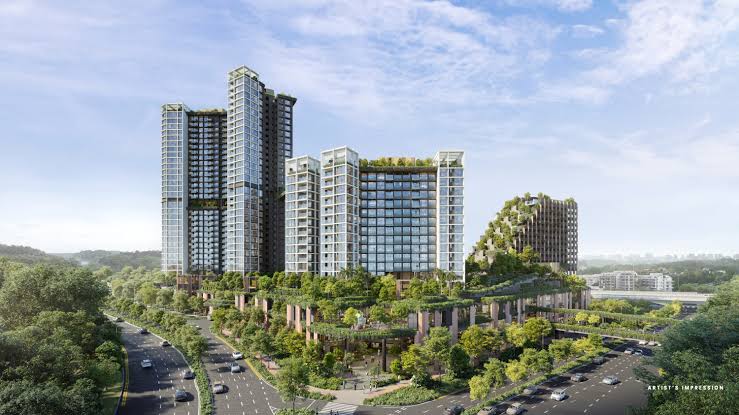
Singapore’s private residential property market continues to evolve as homebuyers and investors prioritize thoughtful urban layout, connectivity, and long-term location value. Buying a residential unit in Singapore involves looking beyond interior space. Property buyers must examine how a home integrates with surrounding public transport networks, reputable educational institutions, green spaces, and regional urban planning schemes.
Understanding the key mechanics driving new residential property choices across prime central areas and regional hubs helps buyers make decisions aligned with their lifestyle preferences and financial goals.
Strategic Location and Connectivity Advantages
Location remains the primary driver of property valuation and daily convenience in Singapore. When evaluating residential opportunities, proximity to transit networks and established lifestyle enclaves shapes long-term liveability.
- Mass Rapid Transit (MRT) Accessibility: Properties located within short walking distance of major MRT stations provide direct, stress-free access to central business hubs, reduction in daily commute times, and stronger long-term property demand.
- School Enclave Proximity: Homes situated within a 1-kilometer radius of top primary schools consistently hold higher demand among young families seeking priority placement for their children.
- Retail and Lifestyle Connectivity: Easy access to established commercial zones, dining destinations, and neighborhood shopping centers enhances everyday living without requiring lengthy travel across the island.
Properties nestled in prime District 10 enclaves present an ideal mix of tranquility and convenience. For example, development launches like Amberwood at Holland sit close to premier school networks, leafy Good Class Bungalow (GCB) neighborhoods, and established lifestyle destinations along Holland Road and Bukit Timah.
Living Next to Nature and Urban Transformation
Modern residential planning places strong emphasis on biophilic living—integrating natural landscapes directly into urban home environments. Homes that border major nature reserves, parks, or scenic water bodies offer healthier indoor-outdoor living balance, cleaner airflow, and tranquil views.
In expanding regional centers, major urban transformation masterplans create substantial upside potential for property owners. The development of major regional hubs brings new office complexes, lifestyle centers, and green parks straight to the heartlands.
Residents living in upcoming mixed-use spaces like Lucerne Grand enjoy front-row access to waterfront recreational parks like Jurong Lake Gardens, paired with direct doorstep transport access to major regional commercial nodes.
Benefits of New Launch Residential Properties
Purchasing a new launch condo or mixed development offers multiple practical advantages compared to buying older resale units.
- Efficient Floor Plan Layouts: Modern architectural designs prioritize functional space usage, minimizing wasted corridor space and offering flexible rooms that easily adapt to home office setups.
- Comprehensive Condominium Facilities: New developments feature extensive lifestyle amenities, including Olympic-sized lap pools, indoor gymnasiums, co-working studios, and dedicated child-friendly play spaces.
- Energy Efficiency and Lower Maintenance: Newly constructed buildings incorporate green building standards, modern fixtures, and structural warranties, reducing immediate repair costs and utility bills.
- Progressive Payment Scheme: Purchasing a property during construction allows buyers to service their housing loan in stages linked to construction milestones, providing greater cash flow management.
Navigating Challenges in the Property Market
While owning a private home in Singapore offers strong security, buyers must navigate several financial and structural challenges carefully.
Cooling Measures and Stamp Duties
The Singapore government utilizes cooling measures, such as Additional Buyer’s Stamp Duty (ABSD) rates and Loan-to-Value (LTV) limits, to maintain market stability. Homeowners must review their citizenship status, existing property holdings, and available capital before committing to a purchase.
Interest Rate Dynamics
Fluctuating home loan interest rates affect monthly mortgage repayments. Buyers should stress-test their household finances against higher interest rate assumptions to ensure long-term loan affordability.
Construction Timelines
Buying a new launch unit requires waiting for the Temporary Occupation Permit (TOP) before moving in or generating rental income. Families needing immediate housing options must factor interim rental costs into their overall financial planning.
Key Trends Shaping Modern Singapore Homes
The preferences of modern homeowners are reshaping property design across Singapore.
- Integrated Mixed-Use Concepts: Developments featuring ground-floor retail shops, food outlets, and childcare centers right below residential blocks offer unmatched everyday convenience.
- Smart Home Technology: Developers increasingly equip units with automated digital locks, smart lighting controls, and energy-monitoring devices as standard provisions.
- Emphasis on Wellness Amenities: Modern developments go beyond standard swimming pools by adding dedicated wellness areas, therapeutic pools, and quiet green lawn spaces designed for rest and relaxation.
Final Thoughts
Selecting the right home in Singapore requires balancing financial readiness with immediate lifestyle requirements and long-term capital goals. Focus closely on non-negotiable factors such as transport proximity, school availability, developer track record, and regional growth masterplans. Thorough research and early financial planning remain the best path toward securing a residential home that serves both as a personal haven and a reliable store of wealth.