

The herd looks calm at first. Wildebeest graze slowly, heads down, tails flicking at flies. Then something changed. One animal lifts its head. Another turn sharply. Within seconds, the entire group stiffened. The plain falls quiet. Nothing is visible yet, but everyone knows something is nearby.
In the Serengeti, survival begins with a signal long before any chase. Body language shift. Birds call. Hooves angle toward the escape route. These quiet cues shape every moment of an authentic Serengeti Safari. While dramatic hunts often capture attention, the deeper story lies in understanding how predators and prey influence each other long before action unfolds.
Across this ecosystem, every movement has meaning. To watch closely is to see a conversation happening across the grasslands, one built on instinct, timing, and balance.
How Predator and Prey Relationships Shape the Serengeti
Every step taken on the Serengeti plains is shaped by the relationship between hunter and hunted. Grazing patterns, herd size, and the Great Wildebeest Migration route all reflect this constant awareness.
Wildebeest and zebra rarely move randomly. They cluster in numbers for safety, spreading across open ground where visibility is strongest. Antelopes remain alert even while feeding, often positioning themselves near an escape path or open terrain. Predators influence not just where prey travel but when.
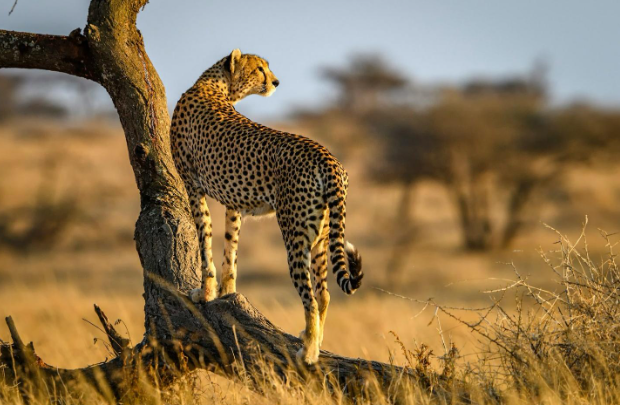
These patterns define much of the Serengeti ecosystem balance. Lions resting beneath acacia trees still affect how nearby herds behave. Cheetahs scanning from termite mounds alter the movement of smaller antelope. Even when predators are unseen, their presence shapes the rhythm of the plains.
For travelers on a Tanzania Safari, this means wildlife viewing becomes more than waiting for a hunt. It becomes about noticing tension, spacing, and movement patterns that hint at relationships unfolding across the landscape.
Timing, Terrain, and Strategy in the Wild
Speed alone doesn’t determine success in the Serengeti. Timing and terrain matter just as much. Predators often move at dawn or dusk when temperatures are cool, and light is soft. Tall grass offers cover for stalking. Wind direction helps conceal scent. A slight dip in the land provides a hiding spot. Prey species, in turn, adjust by choosing open ground keeping to groups and staying alert during high-risk hours.
These interactions illustrate the complexity of animal behavior in Tanzania. A lion pride may wait patiently near a water source rather than chase prey across an open plain. A cheetah may position itself on high ground to scan for vulnerable individuals. Hyenas often rely on endurance and teamwork rather than stealth. Location and timing guide every decision. The Serengeti rewards patience and strategy more than speed alone.
Iconic Predator–Prey Interactions to Witness
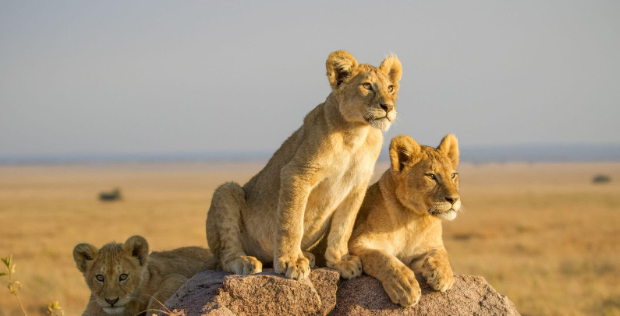
Different predators employ different approaches to the hunt, resulting in varied interactions across the plain. Lions often rely on group coordination. They may spread out quietly before moving in together. Observing lion hunting behavior on Tanzania Safari Tours reveals that teamwork and positioning are as important as strength.
Cheetahs hunt differently. They depend on visibility and speed, choosing the moment when prey is slightly separated from the herd. Their movements are precise and calculated.
Hyenas are often underestimated and use endurance and cooperation. They follow herds, watching for weakness or opportunity. Their presence alone can shift the behavior of nearby animals.
These encounters highlight the complexity of the relationship between big cats and prey in the Serengeti. Not every interaction ends in a chase. Often, the most revealing moments are the quiet ones when predators observe, and prey remain alert, both waiting for the right moment.
How Safari Guides Read the Signs Before Action Unfolds
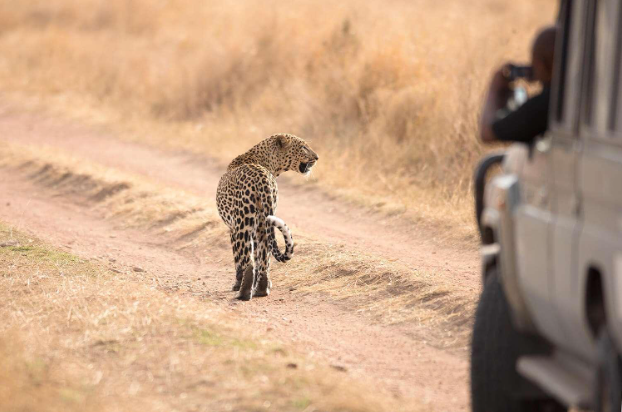
Experienced guides rarely rely on luck. They read subtle signals that hint at what may happen next. Alarm calls from birds or antelope often indicate a nearby predator. Fresh tracks on the road reveal recent movement. A herd bunching tightly together can signal tension. Even the direction animals face can offer a clue.
These observations are central to wildlife interactions in Tanzania and shape how game drives unfold. Guides may pause in one location longer than expected, sensing activity just beyond view. They may adjust the route based on the wind or recent sightings.
For travelers, learning to notice these details enhances the Serengeti Safari experience. You begin to understand that sights don’t happen suddenly; they build slowly through a series of signals.
Why Predator–Prey Balance Matters for Conservation
Predator–prey dynamics aren’t just fascinating to watch. They are essential to the health of the Serengeti. Predators help maintain a balanced herbivore population. Prey species influence vegetation patterns and migration routes. Remove one element, and the system shifts. Overgrazing can occur without predators. Predator population decline without sufficient prey. The balance keeps the ecosystem stable.
This interdependence is a key focus within Tanzania Destinations known for wildlife conservation. Park management strategies and conservation efforts often center on protecting entire systems rather than individual species. Understanding these dynamics helps travelers appreciate the importance of responsible tourism.
When visitors witness these interactions respectfully, they contribute to awareness and long-term preservation. The Serengeti remains one of the world’s most intact ecosystems because this balance continues.
CONCLUSION: FINAL REFLECTION
Watching the predator–prey dynamic unfold on a Serengeti safari reveals a landscape guided by intelligence, instinct, and connection. Every herd movement, every pause, every glance across the plain carries meaning.
Understanding these relationships transforms a safari from a search for dramatic moments into a deep experience of observation. You begin to see the Serengeti not merely as a place where animals live but as a system in which each species shapes the behavior of another.
The result is a richer, more connected view of the wild one, in which the rhythm of survival unfolds quietly long before any chase begins.
- Join Serengeti safaris guided by deep wildlife understanding, not chance encounters.