

Introduction to Renewable Solar Energy
Harnessing the power of the sun has always been a dream of humanity. And now, with renewable solar energy, that dream is becoming a reality. Imagine being able to generate clean, sustainable electricity straight from sunlight – no more reliance on fossil fuels or harmful emissions. Sounds too good to be true? Well, it’s not.
Definition and Explanation of Renewable Solar Energy
Renewable solar energy is a term that has been buzzing around for quite some time now. But what does it mean? Simply put, renewable solar energy refers to the power generated from the sun’s rays that can be harnessed and converted into usable electricity. This type of energy is considered renewable because it comes from an abundant source – the sun – which isn’t going anywhere anytime soon!
Solar panels are used to capture sunlight and convert it into electricity through a process called photovoltaic effect. When sunlight hits these panels, electrons are released from atoms in the panel’s cells, creating an electric current that can be used to power homes, businesses, or even entire cities.
Incorporating renewable solar energy into your home can greatly enhance energy efficiency and sustainability. Partnering with a trusted roofing company durham ensures that your roof is optimally prepared for solar panel installation, maximizing the benefits of this renewable energy source. Proper roofing support can lead to improved energy savings and environmental impact.
One of the key advantages of renewable solar energy is its environmental friendliness. Unlike traditional fossil fuels such as coal or natural gas, using solar power doesn’t emit harmful greenhouse gases or contribute to air pollution. It helps combat climate change and reduces our carbon footprint.
Another benefit is its cost-effectiveness in the long run. While installing solar panels may require a significant upfront investment, they have a lifespan of 25-30 years and require minimal maintenance. Solar energy also provides independence from fluctuating fuel prices since sunlight is free and available everywhere.
Moreover, harnessing renewable solar energy contributes to job creation in various sectors including manufacturing, installation, operation, and maintenance of solar systems. This industry growth boosts local economies while providing employment opportunities for individuals with different skill sets.
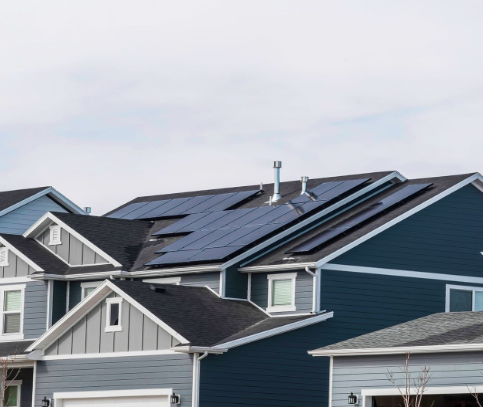
In terms of utilization methods, renewable solar energy can be used in both residential and commercial settings. Residential homes can install rooftop solar panels to generate electricity for their daily needs while feeding excess power back into the grid.
Commercial buildings like offices or malls can utilize larger-scale systems on their rooftops or open spaces to meet their demand as well as potentially sell surplus electricity.
It’s important not only to consider how we use renewable solar energy but also to debunk some common misconceptions. One of the myths is that solar energy can
Types of Renewable Solar Energy
When it comes to renewable solar energy, various types harness the power of the sun in different ways. Let’s explore some of these types and how they contribute to a cleaner and more sustainable future.
1. Photovoltaic (PV) Systems: This is perhaps the most common type of solar energy system used today. PV systems use solar panels to convert sunlight directly into electricity. These panels are made up of multiple photovoltaic cells that generate an electric current when exposed to sunlight.
2. Concentrated Solar Power (CSP): Unlike PV systems, CSP uses mirrors or lenses to concentrate large amounts of sunlight onto a small area, such as a tower or receiver filled with a heat-absorbing fluid. The concentrated heat is then used to generate steam, which drives turbines and produces electricity.
3. Solar Water Heating: As the name suggests, this type of solar energy is focused on heating water using the sun’s rays. It involves installing special thermal collectors on rooftops or other sunny areas to capture the sun’s heat and transfer it to water reservoirs for domestic or industrial use.
4. Solar Air Heating: Similar to solar water heating, solar air heating utilizes thermal collectors that absorb sunlight and warm air before circulating it throughout buildings for space heating purposes.
5. Off-Grid Solar Systems: These systems are designed for areas that lack access to traditional electrical grids or where grid connections are unreliable or expensive. Off-grid systems combine PV panels with batteries for storing excess energy generated during daylight hours, ensuring a continuous power supply even at night.
Benefits of Renewable Solar Energy
Renewable solar energy offers a multitude of benefits that make it an attractive option for both individuals and businesses. One of the primary advantages is its environmentally friendly nature. Unlike fossil fuels, which release harmful emissions into the atmosphere when burned, solar energy produces no greenhouse gases or air pollutants during operation. This helps to reduce our carbon footprint and combat climate change.
Another benefit is the potential for cost savings. Once installed, solar panels can generate electricity at no additional cost, as sunlight is free and abundant. By harnessing this renewable resource, homeowners and businesses can significantly lower their energy bills over time.
Furthermore, solar power systems require minimal maintenance compared to traditional energy sources. With few moving parts, there are fewer chances for breakdowns or wear and tear. Additionally, many solar panels come with warranties that ensure long-lasting performance.
In addition to these financial and environmental advantages, renewable solar energy also provides increased energy independence. By generating electricity on-site through solar panels or using a grid-tied system with net metering, individuals can become less reliant on utility companies and potentially even sell excess power back to the grid.
Investing in renewable solar energy contributes to job creation within the clean energy sector. As demand for clean technologies grows worldwide, more employment opportunities arise in manufacturing, installation, and maintenance services related to solar power systems.
Overall, the benefits offered by renewable solar energy, earning it numerous recognition awards, make it an appealing choice for those seeking sustainable solutions that promote environmental stewardship while reaping economic rewards.
How to Utilize Renewable Solar Energy
So, you’ve decided to harness the power of renewable solar energy. That’s a great choice for both your wallet and the environment! But now you might be wondering, how exactly can you make use of this abundant source of energy?
One of the most common ways to utilize renewable solar energy is through rooftop solar panels. These panels are installed on your roof and absorb sunlight throughout the day. The captured sunlight is then converted into electricity that can power your home or business.
Another option is to invest in solar water heaters. By using the sun’s rays to heat water, you can reduce your reliance on traditional water heating methods and save money on utility bills.
If you’re feeling adventurous, you could even go off-grid by installing a standalone solar system with batteries for storing excess energy. This way, even during cloudy days or at night when there’s no direct sunlight available, you’ll still have access to clean and sustainable power.
For those who want to make a larger impact, consider community-based projects or investing in shared solar farms. These initiatives allow multiple participants to pool their resources together and benefit from a collective solar installation while reducing individual costs.
Remember that utilizing renewable solar energy isn’t limited only to residential applications. Businesses can also take advantage of this technology by incorporating it into their operations. From powering office buildings and factories with clean energy to integrating it into manufacturing processes – the possibilities are endless.